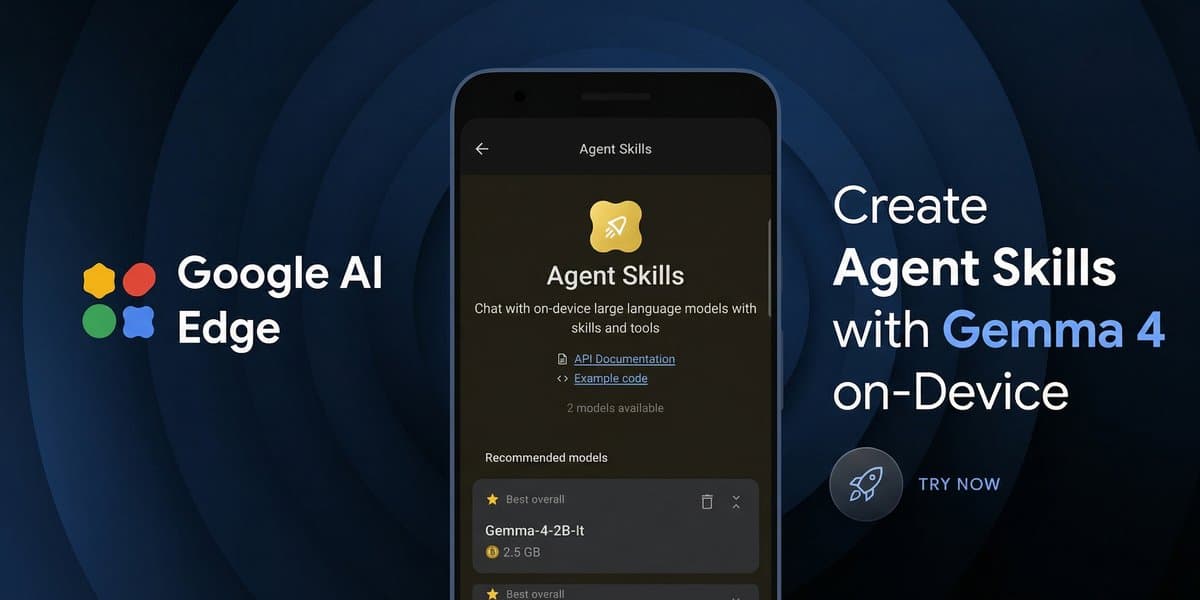
Google's Gemini AI is poised to become a more proactive digital assistant, with upcoming task automation features that could streamline everyday mobile interactions. Imagine telling your phone "Get me an Uber" and watching Gemini handle the booking process from start to finish. This represents a significant shift towards AI agents that can independently execute complex tasks, potentially reshaping how we interact with our devices.
Gemini Takes the Wheel: Task Automation Arrives
Google is integrating "task automation" into its Gemini AI, enabling it to perform multi-step actions within apps on your behalf. The initial rollout focuses on practical applications like ride-hailing and food delivery. This means Gemini can soon navigate apps like Uber or DoorDash based on a simple user prompt.How Task Automation Works
The process begins with a user request. For instance, saying "Get me an Uber to the Palace of Fine Arts" triggers Gemini to launch the Uber app in a virtual window. Gemini then proceeds through the booking process step-by-step, which is visible to the user.Users have the option to observe the automation, halt it, or manually take over at any point. Gemini will also proactively request user input when choices need to be made or if an item is unavailable, ensuring user control. Once Gemini has completed the task, such as preparing a ride or filling a grocery cart, it prompts the user to review and finalize the order.
Availability and Device Support
The initial launch of task automation will be limited to specific devices. Google is planning to roll out the feature with the release of the Pixel 10 phones and the Samsung Galaxy S26 series. This staged approach allows Google to gather user feedback and refine the system before a wider release.Gemini Pro 3.1: The Engine Behind Automation
The updated Gemini 3.1 Pro model plays a key role in enabling these advanced features. Gemini 3.1 Pro is designed for "complex problem-solving," making it well-suited for navigating the intricacies of different apps and workflows. According to Google, Gemini 3.1 Pro "represents a step forward in core reasoning."Tom's Guide tested Gemini 3.1 Pro extensively and noted the biggest shift is in how it responds to prompts, stating that it is specifically positioned for tasks where a simple answer isn’t enough.
Agentic AI: A Glimpse into the Future
Task automation represents a move toward "agentic AI". Agentic AI refers to systems that can independently plan and execute tasks to achieve a specific goal. Deutsche Telekom, in partnership with Google Cloud, developed MINDR, a multi-agentic AI system built with Google Gemini models on Vertex AI. This is a fundamental shift from AI that merely responds to commands to AI that proactively manages tasks on a user's behalf.What's Next
- Broader Device Support: Expect Google to expand task automation to more Android devices after the initial launch on Pixel 10 and Samsung Galaxy S26.
- Expanded Functionality: The range of tasks Gemini can automate will likely grow beyond ride-hailing and food delivery, potentially including travel booking, online shopping, and more.
- Developer Integration: Google may open up APIs (application programming interfaces) to allow developers to integrate task automation into their own apps, creating a richer ecosystem of AI-powered services.