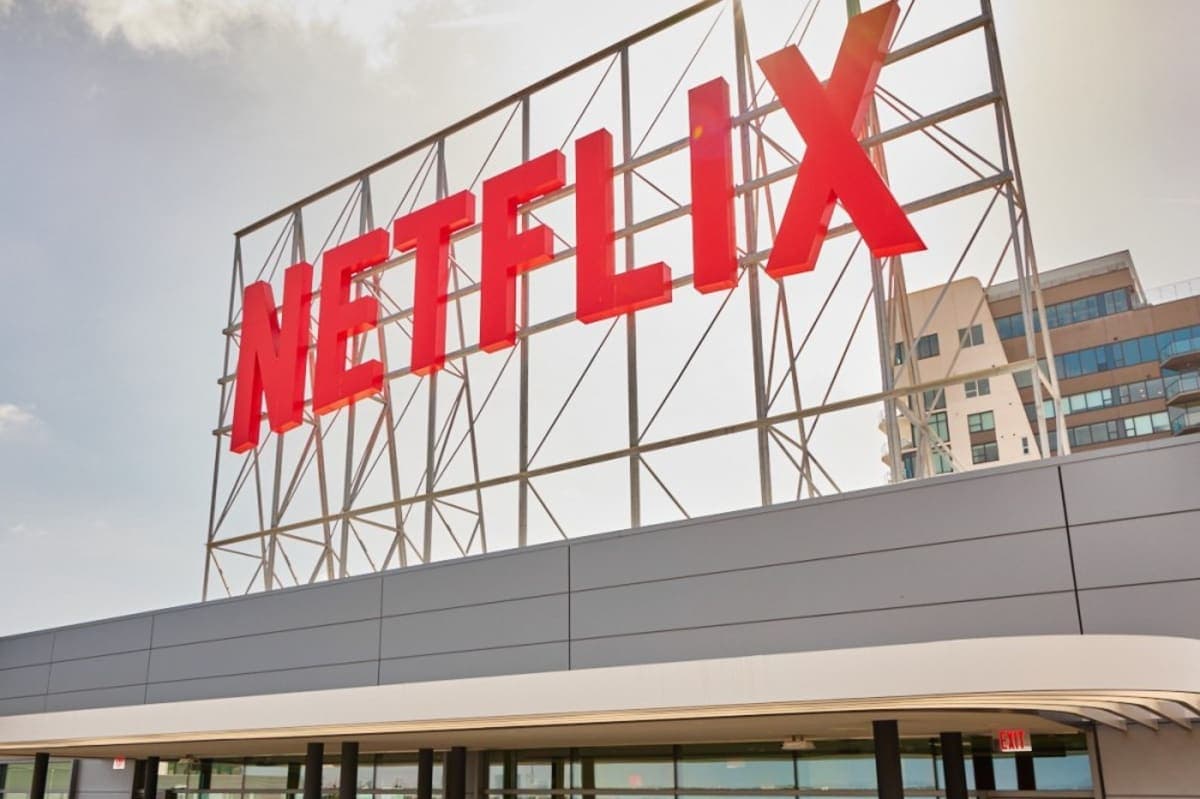
Netflix has officially walked away from its deal to acquire Warner Bros. Discovery, pocketing a massive $2.8 billion termination fee in the process. The streaming giant stepped aside after Paramount Skydance raised its offer, with Wall Street rewarding Netflix's financial discipline by sending its stock soaring nearly 10%.
Why Did Netflix Tap Out of the Bidding War?
In the high-stakes world of media consolidation, sometimes the best move is walking away from the table. For Netflix, the decision to abandon its pursuit of Warner Bros. Discovery (WBD) came down to one simple factor: price. After a rival bid from Paramount Skydance forced the price up, Netflix decided the acquisition no longer made financial sense.“The short answer is, it was all about price,” Netflix CFO Spence Neumann stated at the Morgan Stanley Technology, Media & Telecom Conference. He emphasized the company's disciplined approach, echoing earlier statements from co-CEO Ted Sarandos. “We said all along this opportunity was a nice-to-have at the right price, not a must-have at any price.”
The bidding war ended when David Ellison’s Paramount upped its hostile bid for WBD to $31 per share. Netflix declined to match the revised terms and instead bowed out, triggering the massive termination fee from Paramount Skydance for breaking up the original agreement.
A $2.8 Billion Consolation Prize and a $20 Billion War Chest
Losing a bidding war rarely feels like a victory, but Netflix is walking away with a significant financial cushion. “Now we move forward, and we move forward with $2.8 billion in our pocket that we didn’t have a few weeks ago,” Neumann said, referring to the breakup fee.This windfall adds to an already strong financial outlook for the streaming giant. For 2026, Netflix plans to boost its total cash content spending to around $20 billion, a 10% increase from the previous year. The company is forecasting revenue between $50.7 billion and $51.7 billion and projects hitting a 31.5% operating margin. These moves are built on a solid foundation of more than 325 million subscribers worldwide as of the end of 2025.
Despite the high-profile M&A (mergers and acquisitions) battle, Neumann insists the company's core strategy remains unchanged. “I know it sounds boring, but it’s really no change,” he said, adding that Netflix will continue to seek opportunities that accelerate growth while maintaining financial discipline.
How Did Wall Street React?
Investors responded with overwhelming enthusiasm, signaling their approval of Netflix’s decision to prioritize its balance sheet over a costly acquisition. Shares of the streaming giant were up nearly 10% in after-hours trading following the announcement.Many on Wall Street had been skeptical of the deal from the start. They worried about the high cost and the strategic pivot it represented, which would have pushed Netflix into unfamiliar territory like theatrical movie distribution. The stock's sharp rise indicates a collective sigh of relief that Netflix is sticking to its core streaming business. In contrast, WBD’s stock had fallen by almost 30% during the period when Netflix was considered the leading suitor, reflecting investor anxiety about the merger's logic.
What’s Next for the New Media Behemoth?
While Netflix enjoys its victory lap, Paramount Skydance now faces the monumental task of integrating Warner Bros. Discovery into its operations. WBD CEO David Zaslav expressed optimism, stating, “We firmly believe that two content companies coming together have unique advantages.”However, the new media giant will be saddled with immense financial pressure from day one. The combined entity is projected to carry more than $90 billion in debt. Analyst Robert Fishman of MoffettNathanson noted the primary challenge will be “balancing the content investment required to reach its strategic goals against the need to manage leverage.” This debt burden could force significant cost-cutting and complicate its ability to compete effectively against a cash-rich and focused Netflix.