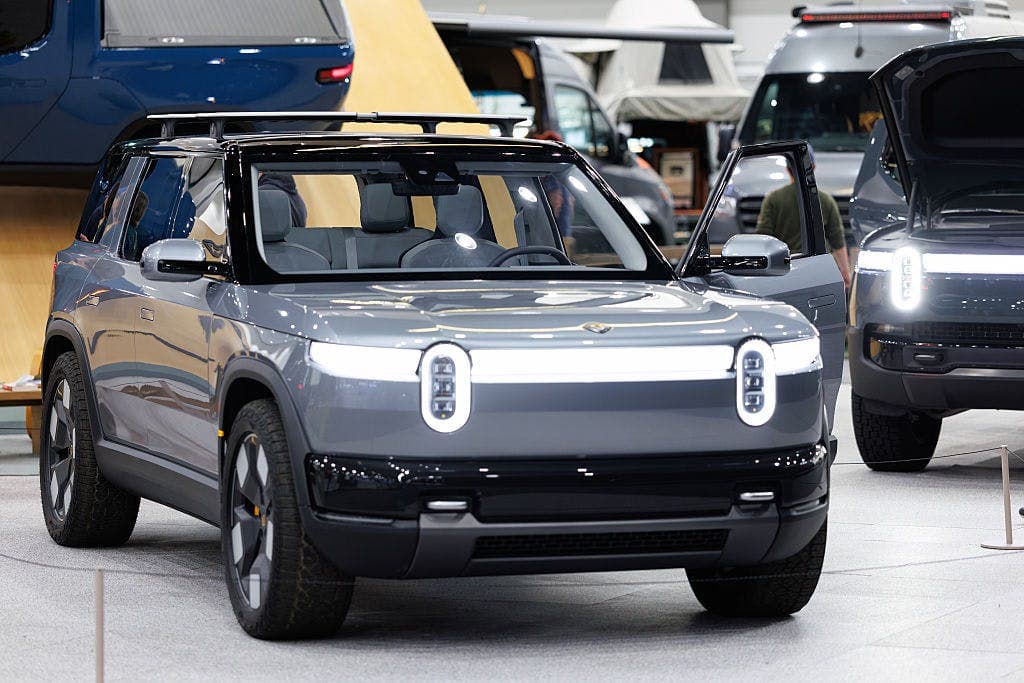

Decoding Rivian's Launch Strategy
This staggered release, with the higher-cost trims preceding the more affordable versions, isn't uncommon in the automotive industry. Automakers often prioritize higher-margin models initially to boost profitability and recoup development costs. However, for Rivian, a company still striving for consistent profitability, the delay of the truly mass-market R2 could be a double-edged sword. Investors certainly took notice, with Rivian shares falling 4% intraday after the announcement, according to Sherwood News.
The obvious question: why push back the model that promised to unlock a wider customer base? The answer likely lies in production complexities and profitability targets. Manufacturing at scale, especially for a newer EV maker, presents significant challenges. By focusing on premium trims first, Rivian can streamline its production lines and secure higher revenue per vehicle before tackling the larger volume demands of a base model.
Rivian expects R2 deliveries to begin in the second quarter of this year for the launch model, with targets of 20,000 to 25,000 R2 deliveries in 2026. This initial production window will be critical for the company to refine its manufacturing processes and ensure quality before attempting to ramp up for the high-volume base model. It’s a calculated risk, betting that early adopters are willing to pay a premium for the brand's unique blend of ruggedness and tech, even if it means waiting for the most accessible version.