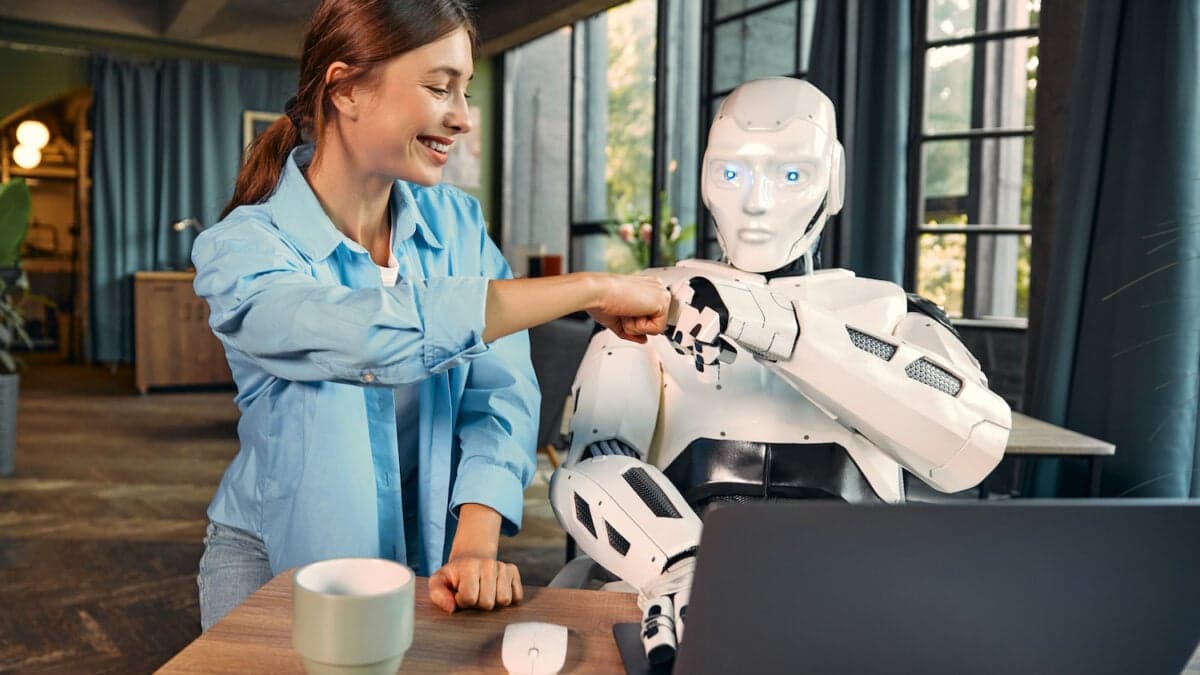
The promise of autonomous vehicles is just that — autonomous. But the reality involves humans behind the scenes, assisting when the AI encounters tricky situations. Waymo's reliance on remote assistance agents, particularly those based overseas, has sparked debate and scrutiny, raising questions about safety and the true level of autonomy in robotaxis. It highlights the complexities of deploying self-driving technology in real-world environments.
The Role of Remote Assistance
Autonomous vehicle companies like Waymo are striving to create fully self-driving cars. However, the technology isn't quite there yet. The vehicles sometimes require human intervention to navigate situations the AI can't handle, such as unexpected construction zones or blocked lanes.These interventions come in the form of remote assistance, where human operators provide guidance to the vehicle's AI. This support is intended to be advisory, allowing the "Waymo Driver" (the company's ADS) to decide whether or not to implement the suggestions.
Global Support Network
Waymo operates four geographically redundant locations for its remote assistance centers. These centers are located in Arizona, Michigan, and in two cities in the Philippines, according to a letter addressed to Senator Ed Markey [1]. Having multiple locations ensures redundancy and allows Waymo to maintain support operations around the clock.Around half of the 70 remote assistance agents are based in the Philippines. This detail has drawn criticism from some lawmakers, raising concerns about the reliance on overseas workers to support US-based autonomous vehicle operations.
Human Oversight vs. Full Autonomy
The core question revolves around the extent to which these vehicles are truly "self-driving." Waymo insists that its service doesn't rely on remote drivers. The company states that the remote operators respond to specific requests for information initiated by the Waymo Driver and provide advice that the system can either use or reject.However, the presence of remote assistance raises questions about the reliability and safety of fully autonomous systems. Competitor Tesla has subtly criticized Waymo's approach, stating that all of its remote robotaxi operators are based in the US.
The Event Response Team
Waymo has an Event Response Team that is exclusively based in the US. This team handles complex interactions, such as collisions, engagement with law enforcement, and regulatory agencies, according to Ryan McNamara, Waymo’s VP and global head of operations.The existence of this specialized team highlights the need for human expertise in handling critical situations that autonomous systems may not be equipped to manage. This is according to industry experts.