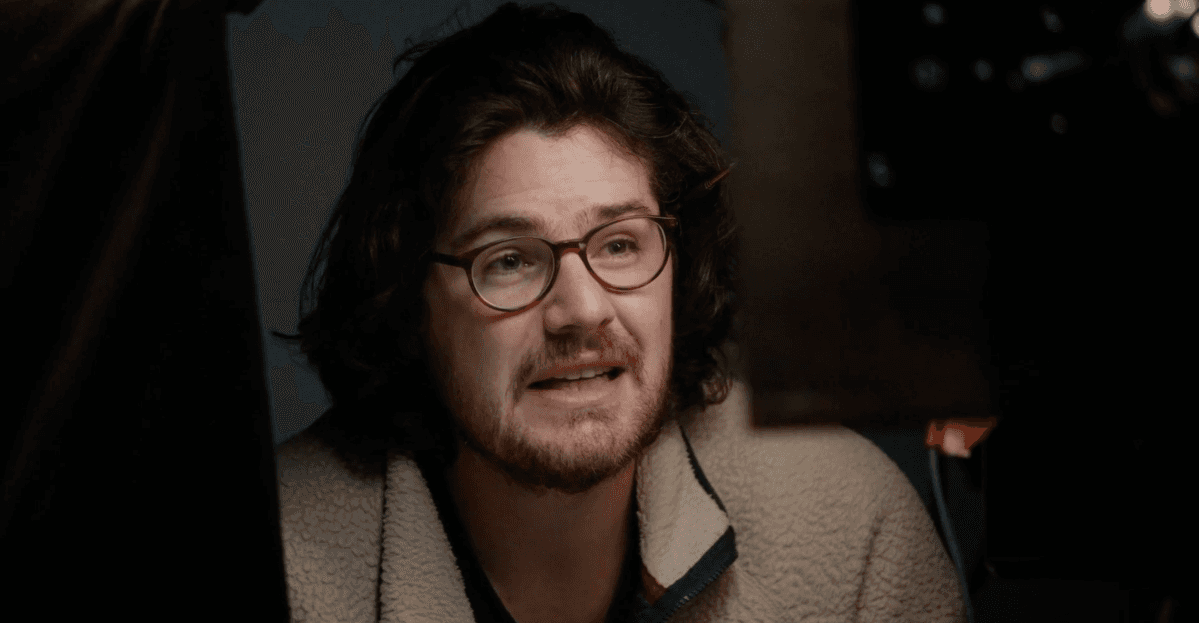

Focus Features' new documentary, "The AI Doc: Or How I Became an Apocaloptimist," co-directed by Daniel Roher and Charlie Tyrell, aims to demystify generative AI but largely fails to provide insightful analysis. The film, reviewed by The Verge, is criticized for its hyperbolic framing, lacking critical engagement with experts, and overlooking AI's tangible impacts on industries like filmmaking, ultimately offering little beyond surface-level anxieties.
The rapid incorporation of generative artificial intelligence into daily life often leaves individuals confused about its function and implications. Compounding this, both proponents and detractors frequently employ exaggerated language, akin to fantastical ad copy, making it difficult to discern the technology's true nature. New iterations of AI products are released at such a fast pace that tracking industry developments becomes a significant challenge for the public.
Roher initially interviews pessimists, such as Center for Humane Technology co-founders Tristan Harris and Aza Raskin, who portray AI as an existential threat. The documentary employs dramatic clips from films like The Terminator and The Matrix to illustrate doomsday scenarios. This fear-mongering is often seen as a tactic by AI firms to emphasize the seriousness of their products. The film then shifts to optimists like Anthropic president Daniela Amodei and LinkedIn co-founder Reid Hoffman, who describe a utopian future driven by AI innovations, including bespoke healthcare. This juxtaposition, while seemingly balanced, is critiqued for presenting hyperbolic outcomes without sufficient challenge, making the first half resemble an advertisement rather than critical analysis.
Furthermore, the film's timing makes some of its interviews feel shallow. For instance, OpenAI head Sam Altman faced scrutiny for a deal with the Department of Defense to provide models for mass domestic surveillance. Concurrently, Anthropic CEO Dario Amodei was in conflict with the Pentagon over refusing unchecked access to its technology, despite the U.S. military reportedly using its tools for strikes against Iran. Anthropic had previously established two red lines regarding its AI tool Claude: no surveillance of American citizens and no use in lethal autonomous weapons. These significant developments, unknown to Roher during filming, underscore the documentary's inability to keep pace with AI's rapid advancements and complex geopolitical entanglements. The film’s brief third act, which acknowledges large language models (LLMs) as sophisticated pattern recognition machines trained on vast datasets, and briefly touches on underpaid human labor,lacks sufficient emphasis
.Critique Hyperbole
Recognize and challenge extreme "doomer" or "utopian" claims about AI, focusing instead on practical applications and ethical considerations. Avoid adopting the same fear-mongering tactics that often mask superficial understanding. Embrace Nuance: Understand that AI's impact is complex and multi-faceted. Prepare for various future scenarios rather than banking on a single, simplistic vision. Focus on Real-World Impacts: Prioritize understanding and addressing the concrete, immediate challenges and opportunities AI presents, such as its effects on labor markets or creative industries. For example, some companies like Block have adopted AI tools leading to reduced workforce needs, illustrating real-time shifts. Demand Deeper Analysis: Seek out resources that delve into the mechanics of AI (e.g., LLMs as pattern recognition) and the ethical implications, including the human labor often behind dataset processing. Frequently Asked Questions What is the main criticism of "The AI Doc"? Critics argue that "The AI Doc" is an overwrought and superficial examination of generative AI, failing to provide deep insight despite featuring industry experts. It's perceived as an advertisement for the technology's hyperbolic potential rather than a thoughtful analysis. How does the documentary approach AI's potential dangers and benefits? The film presents both "doomer" perspectives, portraying AI as an existential threat, and "accelerationist" views, touting a utopian future of new possibilities. This dualistic framing is criticized for lacking critical pushback and presenting extremes without thorough analysis. Did "The AI Doc" address AI's impact on creative fields? Despite the co-director being an artist and the film itself using extensive animation, the documentary largely overlooked the profound ways AI is impacting the filmmaking industry and other creative professions. This omission is a significant point of criticism for reviewers. Why are some parts of the documentary considered outdated upon release? Due to the rapid pace of AI development and concurrent geopolitical events, some interviews, particularly with figures like Sam Altman and Dario Amodei, felt shallow or incomplete by the time of the film's release. Major controversies surrounding AI use in surveillance and military applications unfolded after the interviews were conducted. Research Sources nytimes.com
"The AI Doc: Or How I Became an Apocaloptimist" is a documentary aiming to explain generative AI, but it's been criticized for overhyping the technology. Reviews suggest it lacks critical analysis and overlooks AI's real-world impacts, particularly in creative fields like filmmaking. The documentary frames AI as either a utopian solution or an existential threat without sufficient nuance.
Critics of "The AI Doc" argue that it uses hyperbolic framing and lacks critical engagement with AI experts. The documentary also overlooks the tangible impacts of AI on industries and presents key insights on AI's harms too briefly. Despite featuring interviews with prominent figures, the film fails to effectively use their expertise to provide insightful analysis.
The documentary "The AI Doc: Or How I Became an Apocaloptimist" is co-directed by Daniel Roher and Charlie Tyrell. Daniel Roher previously won an Oscar for his documentary "Navalny." In "The AI Doc," Roher centers the film around his personal anxieties about AI's societal impacts.
"The AI Doc" explores several generative AI models, including ChatGPT, Claude, and Google Gemini. The documentary features conversations with researchers, developers, and company CEOs involved with these technologies. However, critics argue that the film doesn't effectively use these expert insights to provide a balanced analysis.
The documentary is structured into four acts that mirror director Daniel Roher's evolving feelings about AI. It begins with interviews of AI pessimists, such as Tristan Harris and Aza Raskin, who portray AI as an existential threat. It then shifts to optimists, creating a narrative arc from fear to hope, but critics argue this approach lacks depth and critical analysis.
More insights on trending topics and technology