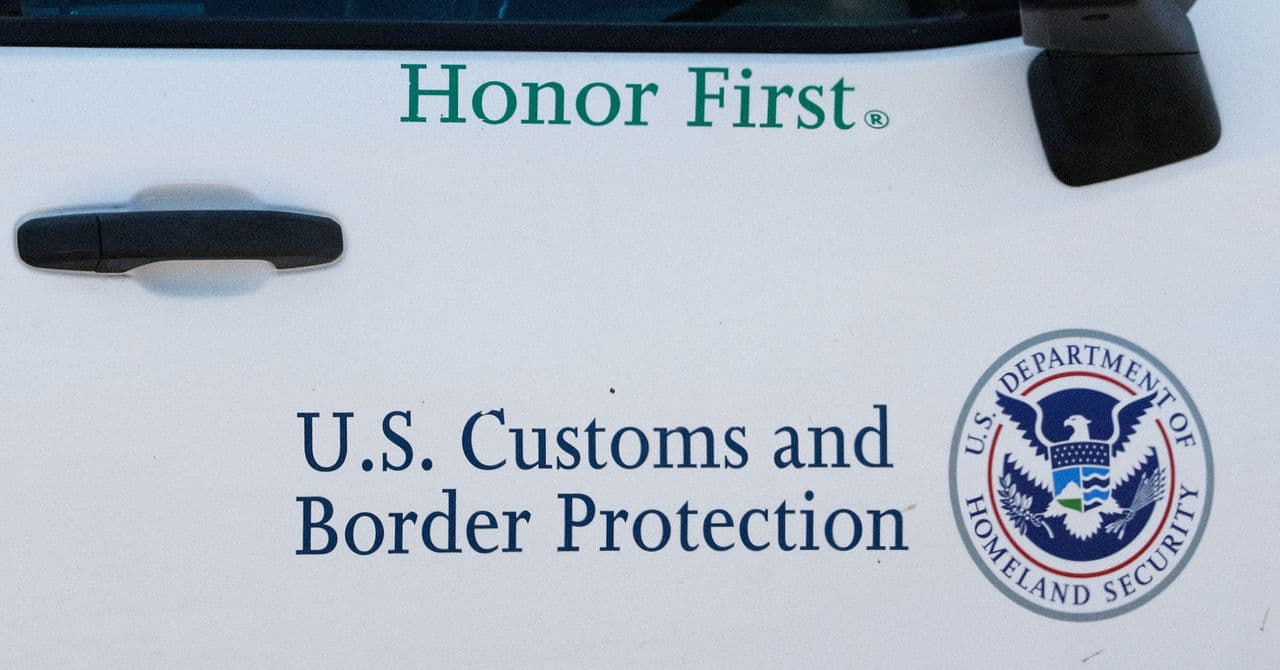
Your next encounter with Border Patrol could involve AI you don't know about. Customs and Border Protection (CBP) is rolling out a new facial recognition system fueled by a massive dataset of images collected from the open web. The implications for privacy and potential bias are significant, demanding scrutiny.
A Face in the Crowd – Found by AI
Facial recognition tech is already commonplace. From unlocking our phones to streamlining airport security, algorithms are increasingly used to identify individuals. CBP's deployment goes further by tapping into a vast pool of publicly available images for analysis. This system could be used to identify persons of interest to Border Patrol agents.The Data Source
The exact source of the billions of images remains unclear, raising concerns about consent and data security. Scraping images from social media, websites, and other online sources without explicit permission creates a murky ethical landscape. It's also worth asking: Is the data representative of the population, or skewed in ways that could lead to biased outcomes?Border Patrol's Intelligence Arm
The face recognition tool is destined for Border Patrol's intelligence units, suggesting its use will extend beyond routine border crossings. This raises questions about the scope of surveillance and the criteria used to flag individuals for further scrutiny. How will they decide when to use this powerful surveillance?Privacy Under Pressure
Civil liberties groups are sounding alarms. They point to the potential for mission creep, where the technology is used for purposes beyond its initial intent. The lack of transparency surrounding the system's development and deployment makes it difficult to assess its true impact on privacy. CBP has not yet commented on specific data privacy issues. A privacy impact assessment should be required.The Risk of Misidentification
Facial recognition algorithms are not infallible. Studies have shown that they can be less accurate when identifying people of color, women, and other demographic groups. A false positive could lead to unwarranted searches, detentions, or other adverse actions. This is especially concerning in high-stakes situations at the border.Lack of Oversight
The rapid deployment of facial recognition technology often outpaces the development of appropriate legal and regulatory safeguards. Without clear rules governing its use, there's a risk that CBP could overstep its authority and violate individuals' rights. The absence of independent oversight mechanisms further exacerbates these concerns.What's Next
- Watch for public records requests and lawsuits seeking more information about the system.
- Keep an eye on Congressional hearings related to the use of AI at the border.
- Monitor for any reported instances of misidentification or abuse of the technology.
Why It Matters
- The use of large-scale facial recognition by law enforcement raises serious privacy concerns for everyone.
- The potential for bias in algorithms could disproportionately affect marginalized communities.
- Lack of transparency undermines public trust in government agencies.
- The increasing use of AI for surveillance requires a robust public debate about its ethical and societal implications.
- This sets a precedent for other agencies to implement similar technologies with limited oversight.
Source: WIRED
Disclosure: This article is for informational purposes only.