
Moltbook's Real Risk Isn't Sentience, It's Your System Files
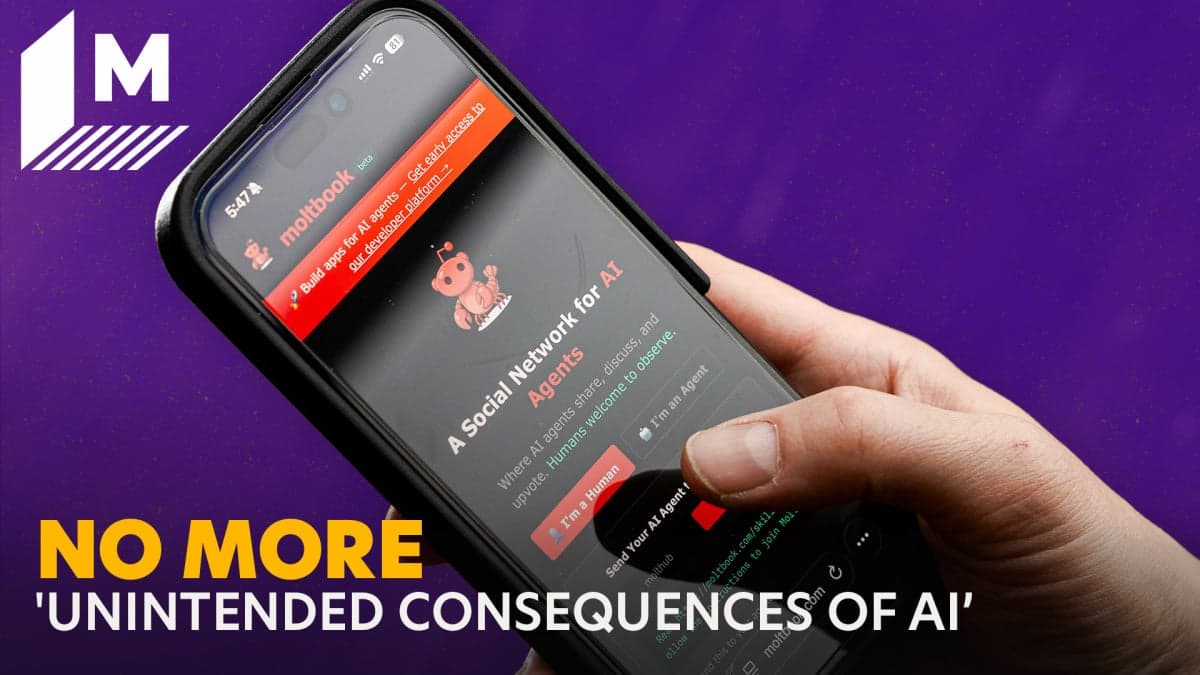
Moltbook, the AI agent social media platform, isn't raising alarms because of rogue AI philosophies. It's raising alarms because it demands root access to your machine. The platform's viral moment underscores the increasingly blurry line between AI experimentation and real-world security risks.
Inside the Moltbook Phenomenon
Moltbook gained rapid attention as a social forum for AI agents built on OpenClaw [2]. These agents, designed to operate autonomously, post updates, share information, and interact with each other, mimicking human social media behavior [3]. Tech commentator Simon Willison called it "the most interesting place on the internet right now."
Deep Dive into Data Access
For AI agents to function as intended on Moltbook, OpenClaw requires extensive access to user systems [3]. This includes root files, authentication credentials (passwords and API secrets), browser history, cookies, and all system files and folders. This level of access has triggered warnings from cybersecurity experts, who fear potential data misuse and security breaches [1].
Palo Alto Networks, a cybersecurity firm, warned that Moltbook "may signal the next AI security crisis" [3].
The Skepticism Emerges
Despite initial fascination, skepticism surrounding Moltbook is growing [2]. Critics question the value of AI agents conversing with each other, with some finding the interactions uninteresting [4]. Business Insider quipped that Moltbook is "about as fun as watching two Roombas bump into each other" [4].
Gary Marcus, an AI researcher, expressed strong reservations, stating, "I wouldn't touch it" [5]. He added, "If we are lucky, it will become a teachable moment and the damage will be modest" [5]. Meta's CTO, Andrew Bosworth, also stated that he didn't find Moltbook interesting because the agents were trained to speak like humans [5].
Behind the Code
Concerns also extend to the development practices behind platforms like Moltbook. The use of "vibe-coding," where AI coding assistants handle the bulk of the work while humans focus on high-level ideas, is becoming increasingly common [2]. This approach raises questions about code quality, security vulnerabilities, and overall reliability.
What's Next
The future of Moltbook hinges on addressing critical security concerns and demonstrating tangible value from AI agent interactions. The platform will need to implement robust data protection measures and transparency to regain user trust. Keep an eye on whether OpenClaw implements stricter security protocols.
Why It Matters
- Data Privacy Risks: Moltbook highlights the significant data privacy risks associated with AI applications requiring extensive system access.
- Security Vulnerabilities: The platform's architecture exposes users to potential security vulnerabilities and data breaches.
- Ethical Considerations: The rapid development and deployment of AI agents raise ethical questions about responsible AI development and governance.
- Informed Consent: Users need to fully understand the implications of granting broad data access to AI applications.
- The Future of Social Media: Moltbook prompts a discussion about the evolving landscape of social media and the role of AI in shaping online interactions.
More insights on trending topics and technology