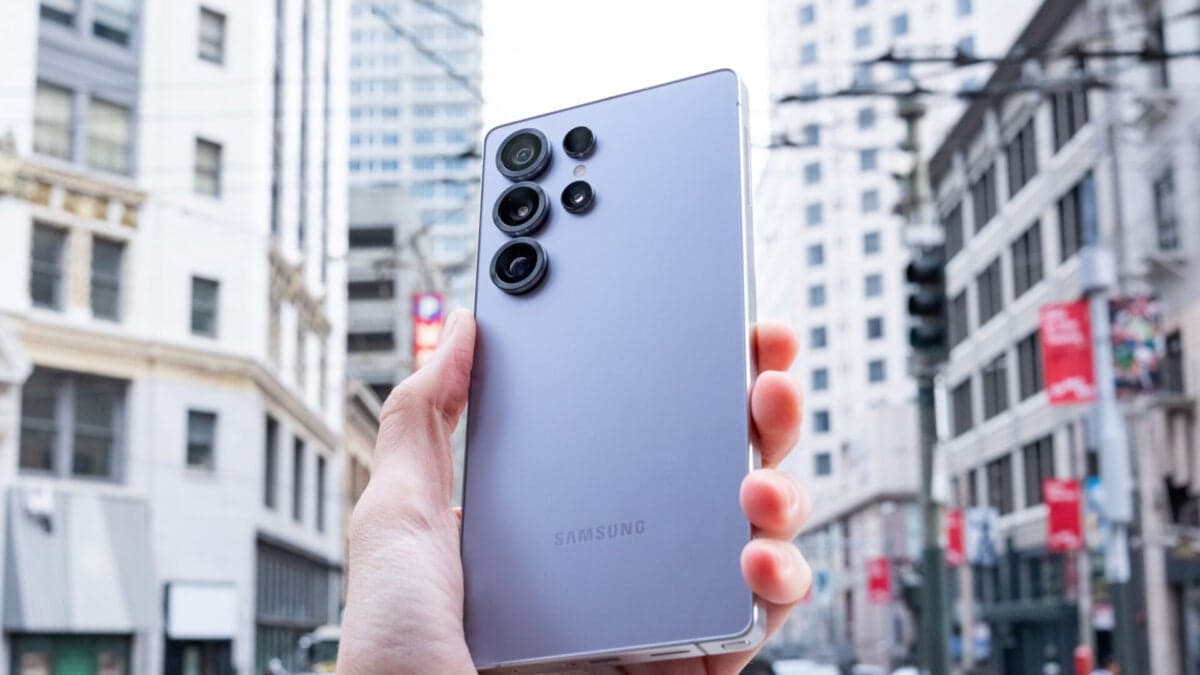
Samsung's next Galaxy S series promises a significant shift, and it's not about incremental spec bumps. The rumored move to an all-Exynos chipset lineup could reshape the Android landscape, impacting performance, battery life, and Samsung’s relationship with Qualcomm.
The Exynos Gamble
For years, Samsung has employed a dual-chipset strategy for its flagship Galaxy S phones, using Qualcomm Snapdragon chips in some regions and its own Exynos chips in others. Leaks suggest this might change with the S26 series. The company could move to 100% Exynos processors globally. The purported reason is to optimize chipsets according to Samsung's software needs.Inside the Exynos Chip
Exynos chips have often trailed Snapdragon in performance benchmarks, particularly in graphics processing. Samsung has been working to close this gap. The latest rumors suggest the new Exynos chip is built on a 3nm process. (Process refers to the size of transistors on a chip; smaller transistors generally mean greater efficiency and more processing power.)If successful, a unified Exynos strategy would give Samsung tighter control over hardware and software integration. Samsung could optimize performance and battery life specifically for its Galaxy devices. The risk is if the Exynos isn't performant enough, they could alienate customers.
The Qualcomm Question
A complete shift to Exynos would significantly impact Qualcomm. Samsung is one of Qualcomm's biggest customers. Losing this business could force Qualcomm to re-evaluate its strategies. It could accelerate its diversification into other markets, like automotive and IoT (Internet of Things). The move could also affect the broader smartphone market. Competition between chip vendors is crucial for driving innovation and keeping prices in check. A weakened Qualcomm could lead to less innovation in the Android space, which is concerning.
Past Performance and Future Expectations
Historically, Exynos chips have received mixed reviews. Some users reported overheating issues and inconsistent performance compared to Snapdragon variants. "We've seen Samsung struggle with Exynos in the past, but they seem determined to make it work," said Patrick Moorhead, CEO and chief analyst at Moor Insights & Strategy. He added, "Their foundry business needs a big win to make up for lost ground."Samsung needs to address these past shortcomings to win over skeptical consumers. They must showcase significant improvements in performance, power efficiency, and thermal management. Doing so would prove that its all-Exynos strategy is more than just a cost-saving measure.
What's Next
- Look for benchmark leaks in the coming months to gauge the performance of the new Exynos chip.
- Pay attention to Samsung's investor calls for clues about its chip strategy.
- Monitor user reviews and comparisons when the Galaxy S26 series launches.
Why It Matters
- User Experience: A successful Exynos chip could translate to longer battery life, faster performance, and smoother gaming experiences for Galaxy users.
- Market Competition: This could intensify competition in the mobile processor market.
- Samsung's Independence: The shift underscores Samsung's desire to be less reliant on external suppliers, strengthening its position in the industry.
- Ecosystem Fragmentation: An all-Exynos strategy could lead to further fragmentation in the Android ecosystem. Developers would have to optimize for different chip architectures.
- Qualcomm's Future: Losing Samsung as a customer would challenge Qualcomm's dominance in the mobile chip market.
Source: Gizmodo
Disclosure: This article is for informational purposes only.